
Many consultants, agencies, and software developers fall into the exact same trap when pitching artificial intelligence: they spend all their energy showcasing engine specs. They talk about model architectures, parameter counts, clever prompt engineering tricks, and complex autonomous agent loops.
To a business owner or operations manager, those details are both confusing and irrelevant.
Business owners do not allocate budget to admire algorithmic sophistication. They pay to eliminate operational waste, relieve burned-out staff from soul-crushing manual work, and see measurable return on investment (ROI) on their financial statements.
The Non-IT Analogy: The Mechanic and the Broken-Down Car
Imagine your car breaks down on the highway. You tow it to a local mechanic. You do not care whether the mechanic uses a titanium-forged German wrench or the newest hydraulic air compressor. You care about one outcome: the car starts reliably, gets you to work without stalling, and the bill makes economic sense.
Pitching raw AI tech is like a mechanic waving wrenches in your face; selling outcomes is ensuring the client’s vehicle runs smoothly.
When your pitch revolves around technology, you commoditize your service into an hourly expense that clients will haggle over. When your pitch focuses on operational outcomes, you position yourself as a strategic business partner.
These seven core principles form a practical framework for building high-value, outcome-driven AI services in 2027.
1. Start with Operational Pain, Not with AI
The most common sales blunder is opening a meeting by flaunting tools: “We can build an advanced AI chatbot for your business.” The immediate, unspoken reaction from a non-technical client is always: “So what? How does that help my office survive this quarter?”
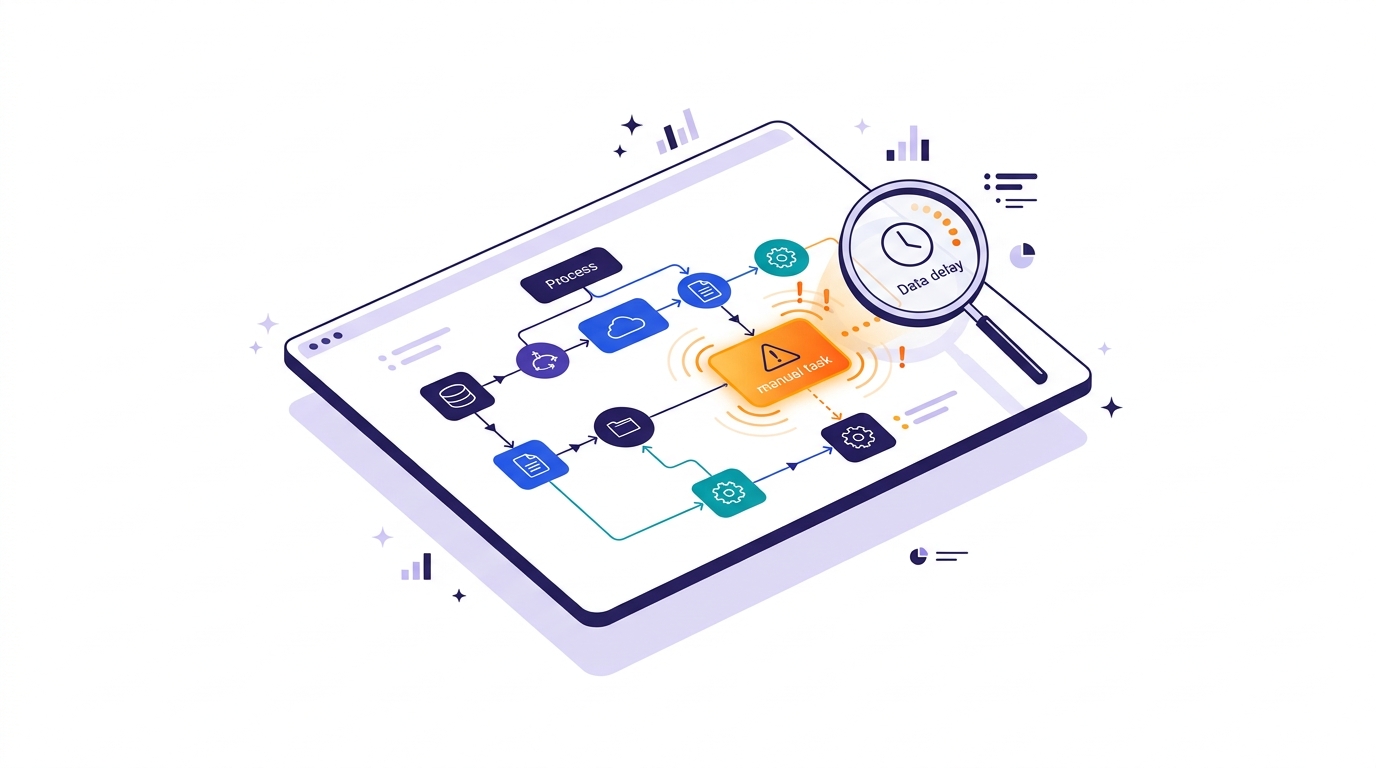
A disciplined approach flips that sequence: ignore technology at the start, and audit the daily operational workflow. Look for points of friction that are:
- Slow and act as bottlenecks for downstream tasks.
- Handled manually and repetitively by salaried staff.
- Prone to human fatigue or data-entry errors that trigger direct financial loss.
The Non-IT Analogy: The Doctor Writing a Prescription
A competent doctor never walks into an examination room shouting: “I just got this fantastic new antibiotic, let me prescribe it right now!”
They ask diagnostic questions first: “Where does it hurt? When did symptoms start? What activities are restricted?” Only after diagnosing the root condition do they select the appropriate medicine. AI is the medication, not the disease.
Real-World Scenarios:
- Legal and Notary Offices: Administrative staff spend 3 to 4 hours every day cross-referencing names, tax IDs, and property deed numbers from blurry scanned PDFs to ensure zero typos on official records. The real problem is eye strain and legal liability from clerical errors, not a lack of AI.
- Inbound Sales Lead Response: Prospective buyers submit an inquiry form on a website but wait 5 hours for a salesperson to follow up. In reality, conversion probability collapses after the first 15 minutes of silence.
2. Target the Right Niche
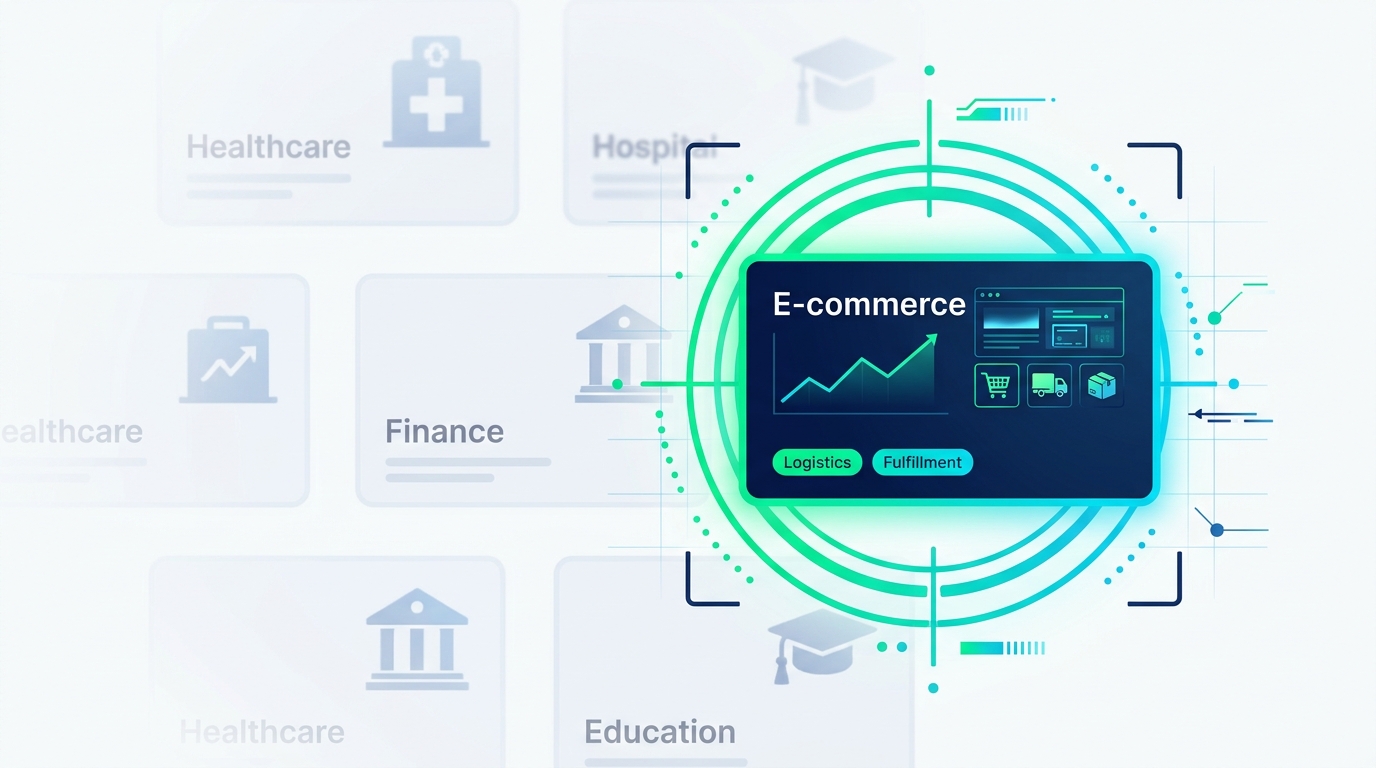
Manual bottlenecks exist across every industry, from dental clinics to freight logistics. However, attempting to serve everyone at once dilutes your message and fails to convince clients who face sector-specific headaches.
Every industry operates under different compliance rules, vocabulary, and financial stakes.
The Non-IT Analogy: General Practitioner vs. Cardiac Surgeon
A general practitioner treats colds, mild fevers, and minor aches for a modest consultation fee. But when someone needs bypass surgery, they seek a specialized cardiac surgeon and readily pay five-figure sums. Specialized expertise addressing critical, high-stakes pain points commands premium pricing.
Select a specific industry niche where the operational bottleneck you solve causes acute financial or operational bleeding:
- Performance Marketing Agencies: Teams struggle every Monday to compile weekly client performance reports across multiple ad platforms (Meta, Google, TikTok Ads) into presentation decks, eating up a full day of analyst bandwidth.
- Direct-to-Consumer (DTC) E-commerce Brands: Customer support desks get swamped verifying bank transfer receipts, looking up tracking numbers, and routing return authorizations during peak sales seasons.
- Staffing and Recruitment Agencies: Recruiters spend 20+ hours a week reviewing hundreds of incoming resumes just to check basic prerequisites like location, licensure, and mandatory certifications.
When you speak their industry shorthand fluently without needing an onboarding lesson, credibility is established instantly.
3. Focus on Solving One Core Problem
Early-stage agencies frequently fall into the trap of over-promising: proposing a massive enterprise transformation that automates every department simultaneously. These projects almost always collapse under scope creep, delayed delivery timelines, and mutual frustration.
Non-technical clients do not want an overwhelming operational overhaul on day one. They want a fast, demonstrable win that pays for itself quickly.
The Non-IT Analogy: The Chef’s Knife vs. The 30-Tool Pocket Knife
A Swiss Army knife packs scissors, a toothpick, screwdrivers, bottle openers, and miniature blades. It is convenient in a hiking backpack. But inside a high-volume restaurant kitchen, a professional chef reaches for a single, razor-sharp chef’s knife. One dedicated tool built for precision execution.
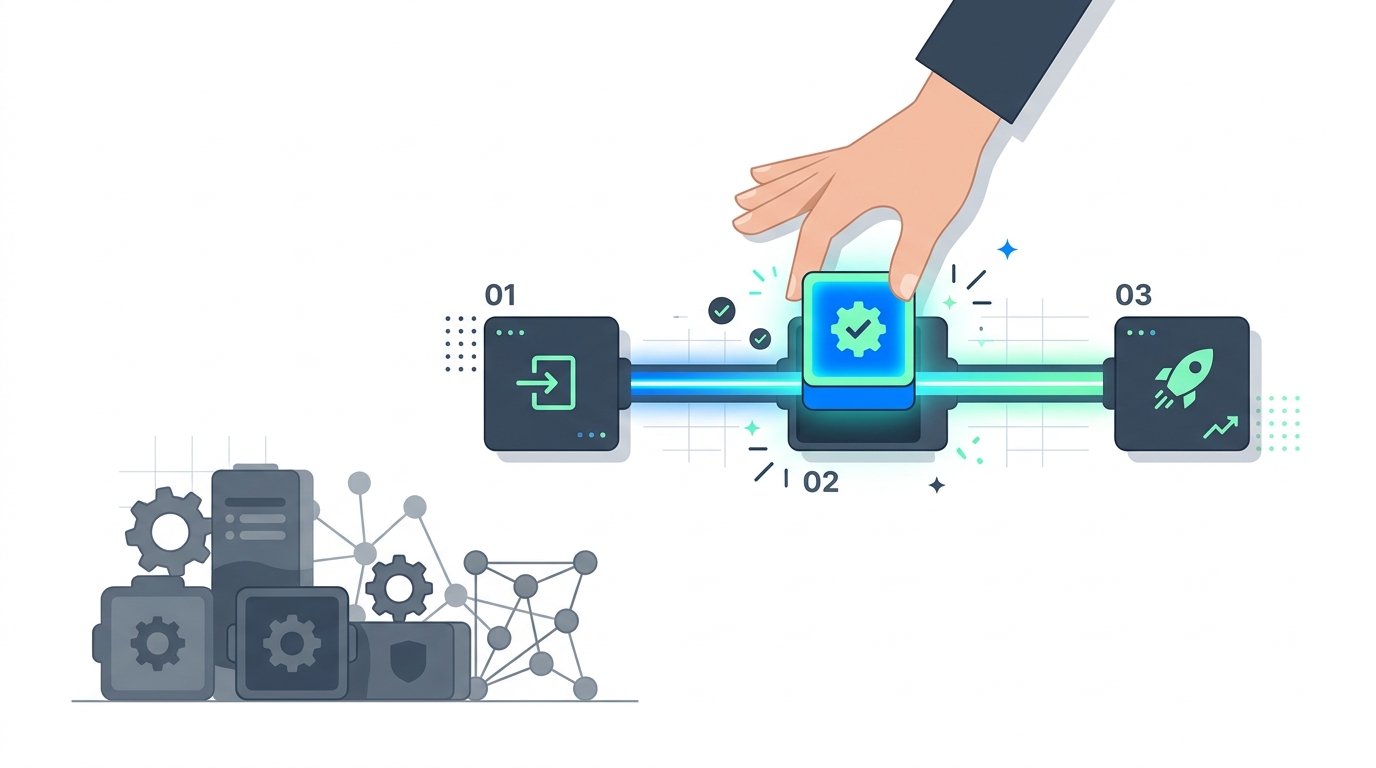
- Pick a single workflow that follows a predictable path, runs daily, and carries measurable costs when delayed.
- Package that single workflow as your core offer.
Notice the contrast in positioning:
- Vague and Unfocused: “Comprehensive Enterprise AI Automation and Digital Transformation Services.”
- Tight and Outcome-Focused: “Automated Weekly Client Ad Reporting: Three Ad Networks to Slide Decks in 3 Minutes.”
Solving one pain point thoroughly builds trust. Once that initial system proves its value in production, clients will proactively invite you to address their next bottleneck.
4. Package the Solution as a Closed System
Clients are not buying Python scripts, webhook triggers, or custom prompt libraries. They are buying the certainty that a recurring operational friction is handled automatically.
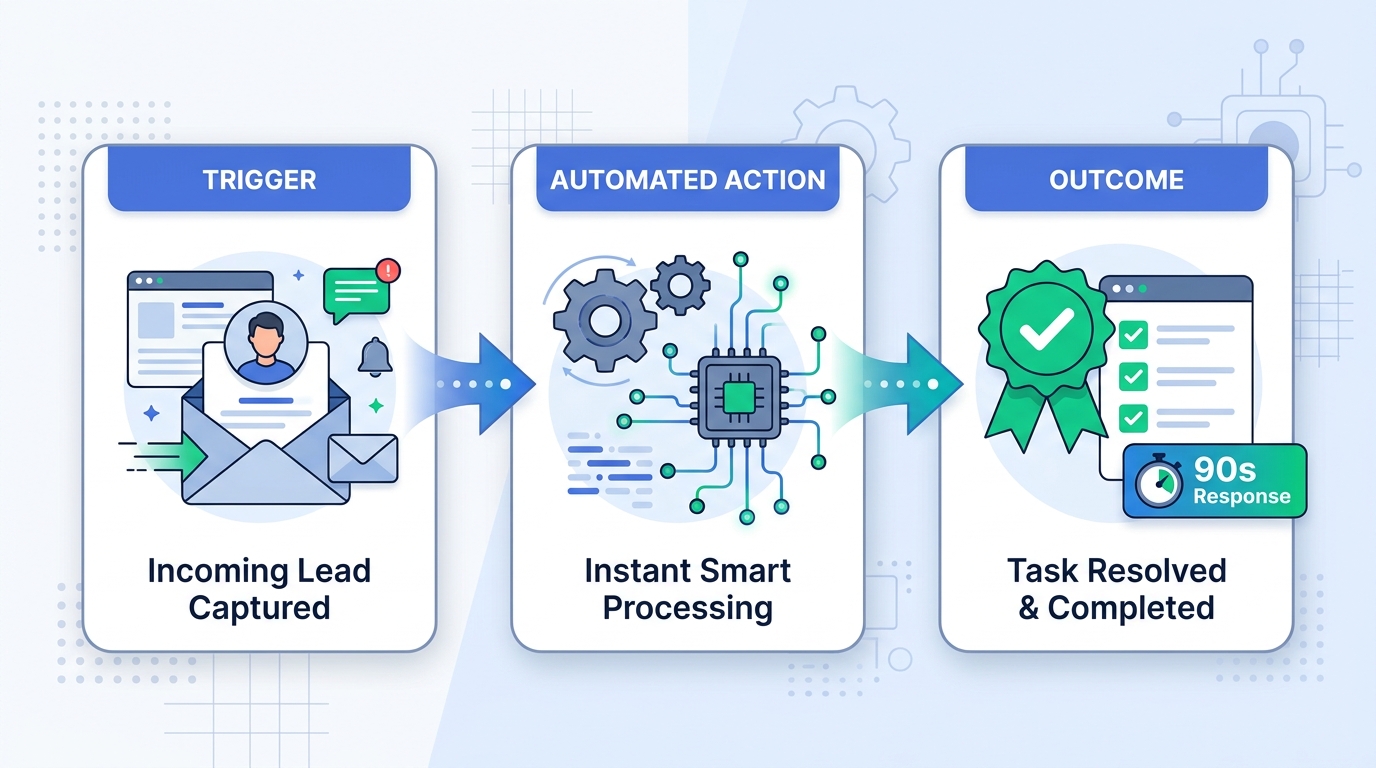
Package your offering as a structured three-stage system rather than an inventory of software features:
- Trigger: The operational event that starts the job (e.g., an incoming customer support ticket).
- System Action: The system parses the data, applies validation rules, queries necessary records, and performs the updates without manual intervention.
- Measurable Outcome: The task is completed cleanly (e.g., the customer receives a personalized resolution in 60 seconds, and staff receives an executive summary).
The Non-IT Analogy: The Commercial Ceiling Sprinkler System
Building managers do not buy water pipes, smoke detectors, and valves as separate hobbies. They buy fire protection: when smoke and heat hit the threshold (trigger), the valve opens and sprays water (action), extinguishing the fire before the facility burns down (outcome).
Structure your offer around business impact rather than technical jargon:
| Feature-Obsessed Pitch | Outcome-Obsessed System |
|---|---|
| “Autonomous LLM agents integrated with vector database API endpoints” | Support Ticket Triage System: Cut first-response wait times from 4 hours to 2 minutes |
| “Custom OCR document parser with natural language extraction scripts” | Supplier Invoice Entry System: Transfer incoming bill data directly to accounting ledgers with zero manual typing |
| “Multi-agent webhook automation for incoming prospect registration” | Instant Lead Engagement System: Reach verified prospects via WhatsApp and CRM within 90 seconds |
5. Embed Directly into Everyday Data Sources
Most business AI initiatives fail in the field not because the models lack intelligence, but because the user experience clashes with daily employee habits.
If staff members must open a separate browser tab, log into an unfamiliar dashboard, copy text out of Excel, paste it into an AI prompt box, and copy the answer back, adoption will evaporate within two weeks. Friction kills internal software tools.
The Non-IT Analogy: Kitchen Sink Faucet vs. Hauling Buckets from the Yard Well
When you need to wash dishes, you expect water to flow immediately upon turning the faucet handle right over the sink. If washing a plate requires walking out to the backyard well with a bucket, dirty dishes will pile up on the counter. Embedding AI into daily tools is plumbing water directly to the kitchen tap.
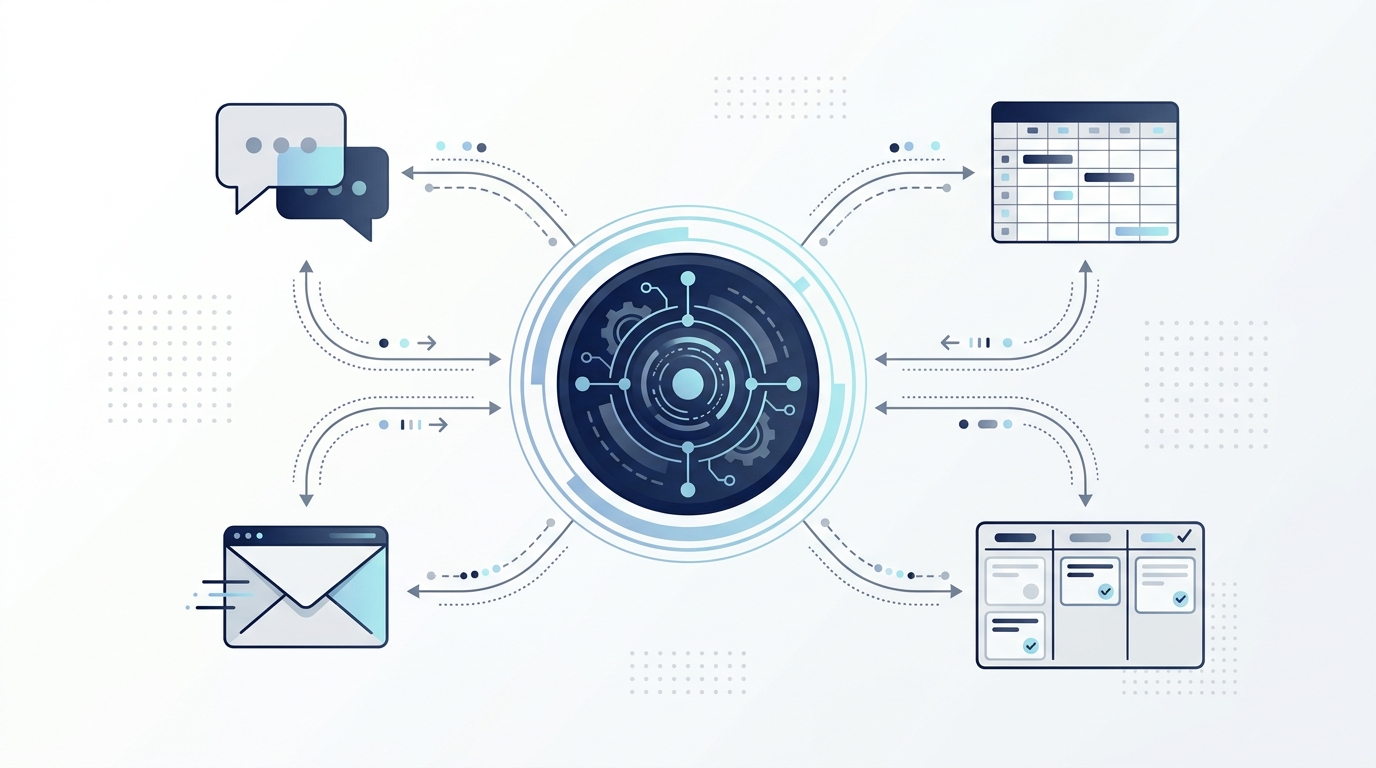
Ensure the system functions inside the tools staff already keep open:
- Email Inboxes (Gmail / Outlook): The system parses incoming purchase orders and generates ready-to-review confirmation drafts.
- Workplace Messaging (Slack / WhatsApp / Teams): Field sales reps record a 30-second voice note summarizing an on-site visit, and the system automatically converts it into structured CRM deal notes.
- Spreadsheets and Databases (Google Sheets / Excel / PostgreSQL): Operational data populates directly into the rows and columns teams monitor every morning.
When employees do not have to learn a new interface, adoption happens naturally without pushback.
6. Prove Feasibility with a Functional MVP Demo
Pragmatic business stakeholders are rarely moved by 30-slide pitch decks filled with theoretical architectural boxes. In an era inundated with AI marketing hype, buyers are naturally skeptical of unproven automation promises.
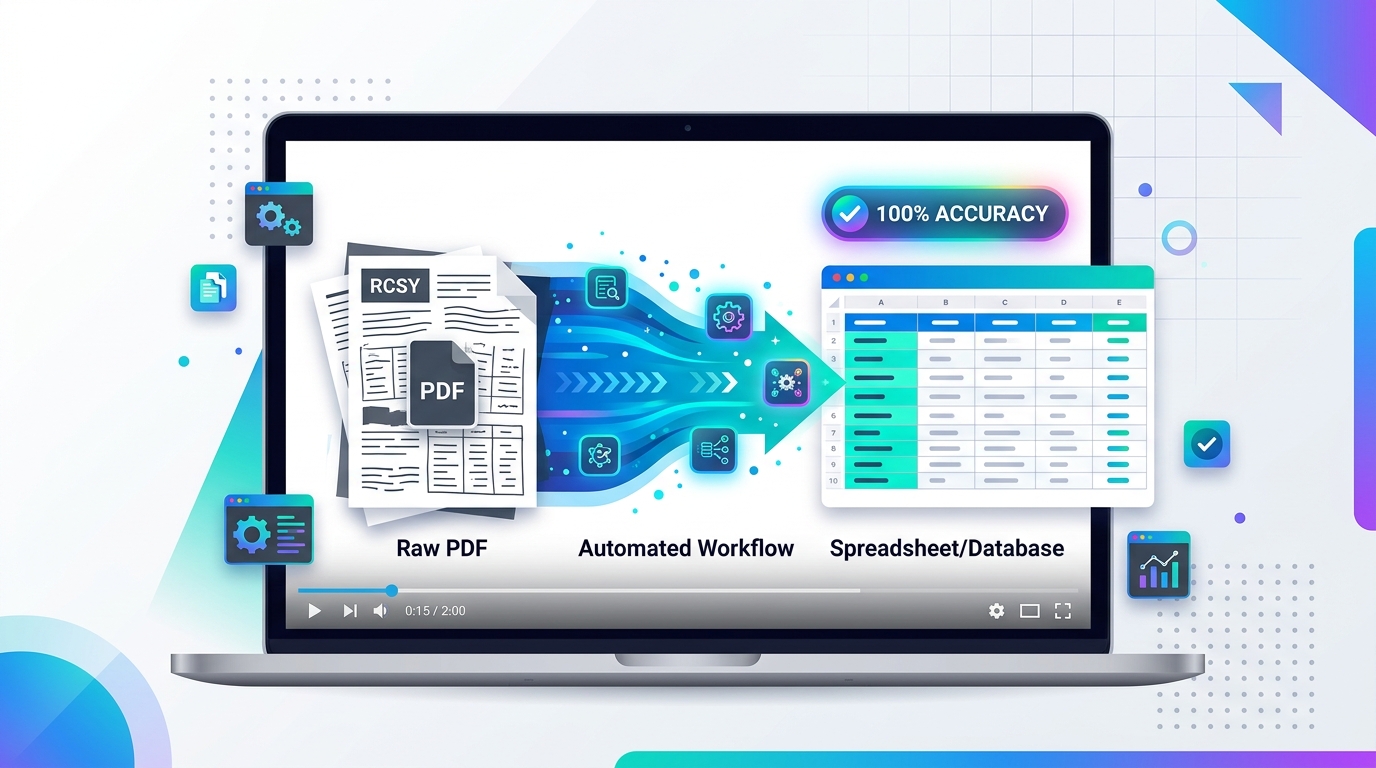
The most reliable way to dismantle doubt is through a compact, functional Minimum Viable Product (MVP):
- Request 3 to 5 sanitized, representative sample files from the prospective client (e.g., sample invoices or anonymized lead sheets).
- Run the automation pipeline end-to-end on that real data.
- Record a 2-minute screen recording demonstrating the process: raw inputs go in, the pipeline executes for a few seconds, and clean, structured outputs appear in the target destination.
The Non-IT Analogy: The Supermarket Sample Station
A promoter at a grocery store does not hand out a 20-page brochure detailing the nutritional science and factory temperature controls behind their artisanal sausages. They slice off a hot sample on a toothpick and hand it to you to taste. Once the flavor is verified on your palate, you drop the package into your shopping cart.
A 2-minute demo on realistic data replaces endless conceptual debates. The client’s mindset shifts from: “Can this actually work?” to: “When can your team deploy this in our environment?”.
7. Productize and Standardize for Scale
If every new client engagement requires building custom architecture from a blank slate, your practice remains trapped in an unscalable agency model. Your capacity stays capped, custom engineering costs eat into cash flow, and scope creep erodes profitability.
Sustainable, high-margin service businesses operate on a productized model:
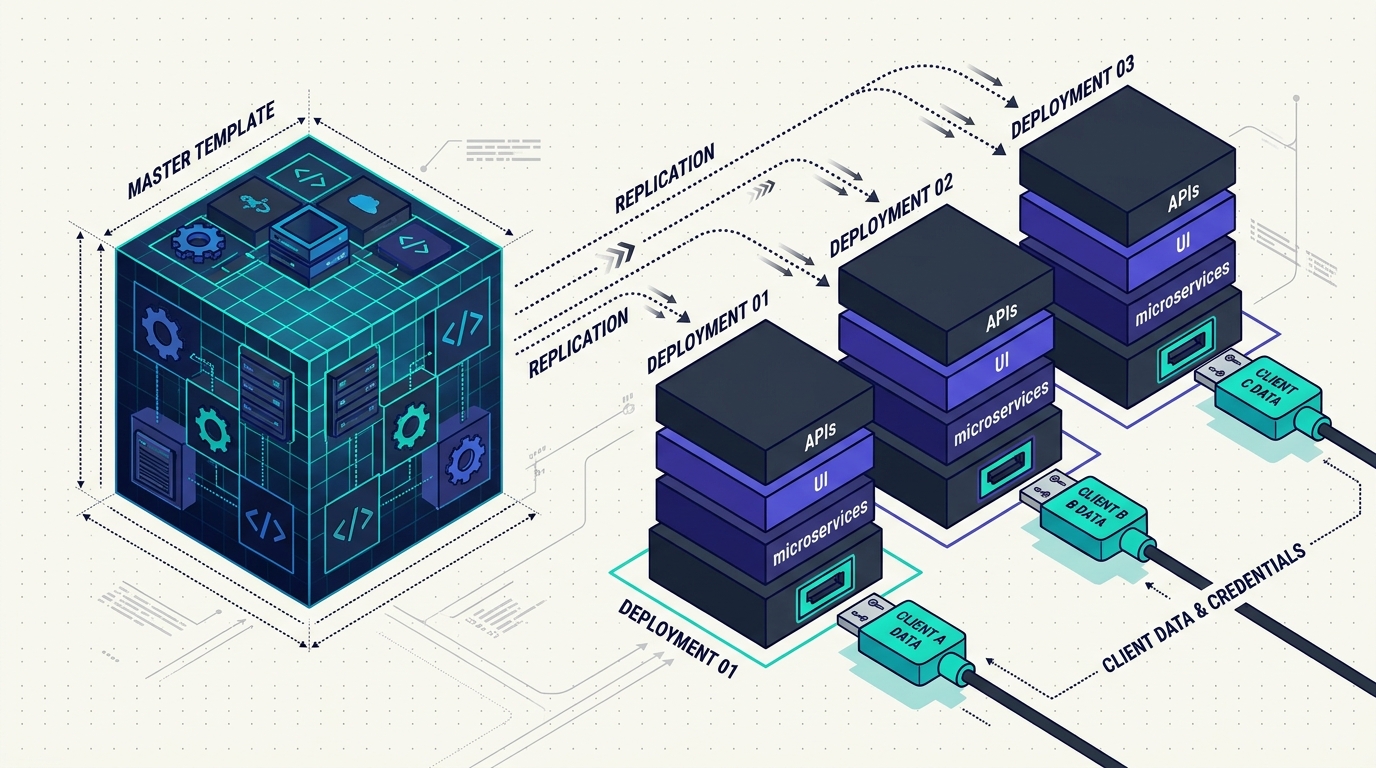
- Take the automation system that successfully solved the problem for your initial niche client.
- Standardize the core architecture, prompts, and pipeline logic into modular templates.
- When client two and client three arrive from that same niche, you do not start from scratch. You deploy an established system where 80% to 90% of the foundation is already built and battle-tested. Customization is strictly limited to client credentials, data mapping, and minor preference toggles.
The Non-IT Analogy: The Fast-Food Franchise vs. The Bespoke Catering Kitchen
A bespoke wedding caterer invents a new menu, buys different ingredients, and tests new recipes for every single booking. The owner is chronically exhausted and cannot handle ten events in one day.
A burger franchise uses standardized menus, measured seasoning packets, and consistent cooking procedures at every location. Orders are served in 3 minutes, quality remains dependable, and the business can scale across hundreds of storefronts.
Benefits of productizing your service:
- Accelerated Time-to-Value: Systems go live in days rather than months, delivering faster client gratification.
- Superior Operating Margins: Engineering overhead drops precipitously as existing modules are reused.
- Rock-Solid Reliability: The underlying code has already survived real-world edge cases, minimizing post-launch bug triage.
Building an Enduring AI Services Business in 2027
As AI models continue to commoditize throughout 2027, raw computational access is no longer a sustainable differentiator. Anyone can generate prompts; anyone can call an API.
Real commercial value lies in understanding where businesses leak money and constructing resilient, reliable systems that stop the bleeding.
Practitioners and agencies that stop pitching technical novelties and start delivering operational certainty are the ones who will secure lasting client relationships and profitable margins in the years ahead.
Comments